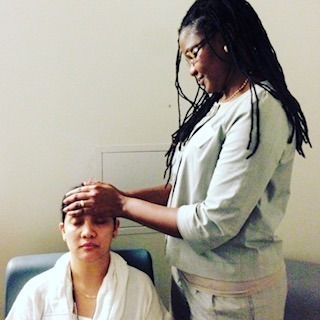
Reiki for Your Happier, Healthier Life
Reiki, Medicine & Self Care with international Reiki Master and Medical Reiki pioneer, Pamela Miles, is the foremost Reiki training and resource platform where you can learn to practice Reiki, deepen your existing practice, or develop your Reiki professional skills.
As featured in:
Live-Virtual Programs
Live | Virtual | Small Group | Online
Meet Pamela Miles
Pamela Miles is an international Reiki master practicing since 1986, the foremost Medical Reiki expert, and author of the award-winning book REIKI: A Comprehensive Guide.
Since the 90s, Pamela has pioneered Reiki practice at academic medical centers including Harvard, Yale, the NIH, and NY Presbyterian/Columbia.
Pamela's Collaborators:
A Teacher You Can Trust
There are no standards for Reiki training or practice, so Reiki certificates are really meaningless. Many who consider themselves to be Reiki masters have less training and experience than my beginning Reiki students. You want to be an informed consumer and do some research.
Reiki Classes: What’s Right for You explains what to look for when choosing a Reiki teacher or professional so you’re not disappointed.
Commonly Asked Questions:
Can I really learn Reiki online, and is it as effective as learning in person?
Learning Reiki online is as effective as learning in-person if you have a qualified teacher who gives a comprehensive training (ideally over several live, interactive sessions), and you self practice at home on your own between class sessions. Online sessions are more comfortable for those who prefer learning in the comfort of home, enable everyone to receive thorough training, regardless of mobility restrictions, and to avoid travel costs and complications. It’s important that the sessions are live and interactive, not recorded, so you can ask questions and clarify any confusion.
What's included in Level 1 (also called First Degree), and how long does it take?
It’s best to learn Level 1 in several 3-4 hour sessions over 5-10 days. That gives you time to practice at home on your own, and ask the questions that come up between class sessions. That gives time for in-class practice, and discussion of your experience, practice ethics, Reiki history, combining Reiki with medical care, spiritual practice as distinct from religion, tips on continuing practice, and debunking Reiki myths. First Degree is all the training needed for self care, and practicing informally with family, friends, and pets. It’s also the foundation for Reiki professional training.
How do I choose a qualified Reiki teacher?
Choose your Reiki teacher carefully, as Reiki credentials don’t tell you anything. Many people who consider themselves Reiki Masters have less experience and training than my First Degree students. Ask if the teacher practices self Reiki every day. If not, go to the next on your list. A teacher can only come to understand the nuances of practice through daily self practice. If she doesn’t value the practice that much, why would you want to learn from her?
If the teacher does have a daily self practice, and is excited you asked, read her website closely, ask any questions you have, and note her response to your questioning. A qualified teacher will appreciate that you’re being deliberate in your choice. Ascertain the facts about the teacher’s training (learning from videos is disqualifying), what experience she’s had (how long and in what situations), and what she feels is valuable about her teaching.
What is Medical Reiki?
Medical Reiki is Reiki practiced in medical settings, in compliance with medical culture, such as HIPAA protections for patients’ privacy. The practice itself isn’t different, but the context is very different than home (self) practice or Reiki professional practice.
The Medical Reiki practitioner needs to understand medical culture, ethics, and mores, and the scientific medical perspective so as not to avoid exaggerating or misstating Reiki benefits to patients, families, and staff. Healthcare professionals, especially doctors and nurses, don’t have the time to step outside their purview; it’s up to lay Reiki professionals to bridge cultures, so more people will benefit. There are skills to serving effectively in medical settings, such as presenting Reiki credibly and conservatively, separating beliefs from facts, addressing contraindications accurately and meaningfully, understanding research, and suggesting a plausible mechanism of action.
Can Pamela train hospital staff or bring Reiki into our organization?
Yes, starting in the 1990s, I’ve presented Reiki, trained hospital staff, and set up Reiki programs in various academic medical centers, including Harvard, Yale, and NY Presbyterian/Columbia. I can also be part of a research team to design simple, easily run research projects to that document meaningful results. One of my projects was published in the prestigious Journal of the American College of Cardiology.
What is Reiki, and what does it feel like?
Reiki is a Japanese spiritual practice that starts with light, non-invasive touch, and feels like a deeply relaxing meditation that’s given to you —no effort, no thinking you’re doing it wrong!
Why doesn't a Reiki certificate guarantee quality?
The field has no agreed upon standards for Reiki education, and very different levels of strigency Reiki certificates, and people can make their own certificates.
It’s really a buyer-beware market, and you need to ask questions about a professional’s training, experience, and approach if you want to find someone who meets your standards, and who is a comfortable fit for you.
Do I need any experience or special ability to learn Reiki?
No, anyone who is interested can learn to practice Reiki, regardless age or state of health. My oldest students were in their 90s, and I’ve taught children as young as 4, who learned with their parent(s).
Patients have joined my online classes from their hospital beds, grateful to learn a practice that doesn’t interfere with their medical treatment and helps them feel better — studies show less pain and anxiety — and heal better.
Integrating Reiki into Healthcare
Reiki practice offers profound support to patients, family and staff. Reiki is completely unregulated (as it should be), so Reiki credentials can be misleading.
Many who consider themselves Reiki masters have less training and experience than my beginning students. That makes it hard to find Reiki professionals or teachers who have the skills to collaborate effectively in conventional healthcare. I offer the Reiki & Medicine Masterclass to help bridge the gap between conventional medicine and .traditional healing, so patients get the best possible care, and families and staff are supported.
I’ve been at the forefront of integrating Reiki into conventional health care, including Harvard & Yale medical schools, the NIH, and New York-Presbyterian/Columbia, and Gay Men’s Health Crisis (GMHC).
I help hospitals and businesses bring the benefits of Reiki practice to their staff to improve well-being and reduce burn-out.
Reiki Timer with Pamela Miles
As a Reiki professional since 1986, I’m always encouraging Reiki students to practice regularly so you can feel better no matter what challenges you might be facing.
I know an easy-to-use, easy-to-customize Reiki timer makes it easier to practice on yourself—most important!—as well as on family and friends. And it’s a huge support for teachers holding classes and events.
I couldn’t find a timer with the ease and customization needed to inspire people to practice, so I designed this one to be the Timer of Your Dreams! Download your gift below.
The Reiki Central Blog

Reiki Healing: You’ll Feel It
You can easily develop a healthier relationship with your body. Here’s how.

3 Ways Shameless Reiki Misinformation Hurts People & How You Can Help Counter It
Reiki misinformation causes harm, both immediately and in the future. Here are examples, and thoughts how we can counter myths and make it easier to find credible information.
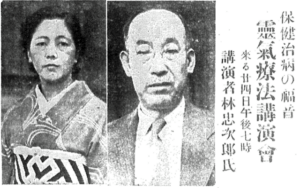
Reiki History: How Has Reiki Practice Changed?
Some Reiki changes occurred organically over its history; others were arbitrary. Some haven’t been acknowledged, creating confusion. I asked my colleague, Reiki historian Justin Stein to help sort it out.

Can You Take CBD and Practice Reiki?
Reiki self practice and CBD are the foundation of my self care. I feel like I’m aging younger. After trying a few, a particular CBD product made the difference.
What people like you have been saying:
“Thank you for your beautiful, incredibly effective Reiki training. I got so much out of your teachings. Since the training, I’ve been practicing self-Reiki nightly and it’s making a very big difference in both my work and my life–it’s quite amazing, actually. I’m calmer and more able to handle everyday stresses. My clients (and kids) have been more vocal (in a positive way), and I feel more confident about my work than I’ve ever felt.”
— Kym O’Neill
“When I engage with Pamela, I know I’m in the presence of someone who is self-possessed and has my best interests at heart. It is a rare thing to bring these qualities together with a healing practice that transforms not just the body but the inner state as well. Pamela embodies the spirit and promise of Reiki.”
— Siddharth Ashvin Shah, M.D., M.P.H.
The Daily Self-Reiki Badge
is available in 30+ languages.
Celebrating daily Reiki self treatment
There is a difference between meditating occasionally, and meditating every day. It is the same with Reiki practice. People who commit themselves to their Reiki practice and practice self Reiki every day, naturally come to understand the practice and its healing benefits better than those who practice occasionally.
Sign up for my free 30-Day Reiki Self Practice Challenge to receive very short emails every day to support your daily practice.
Together, as a diverse community of thoughtful practitioners, we each offer the public a respectful perspective on Reiki practice, respectful of the practice and respectful of the individual.